









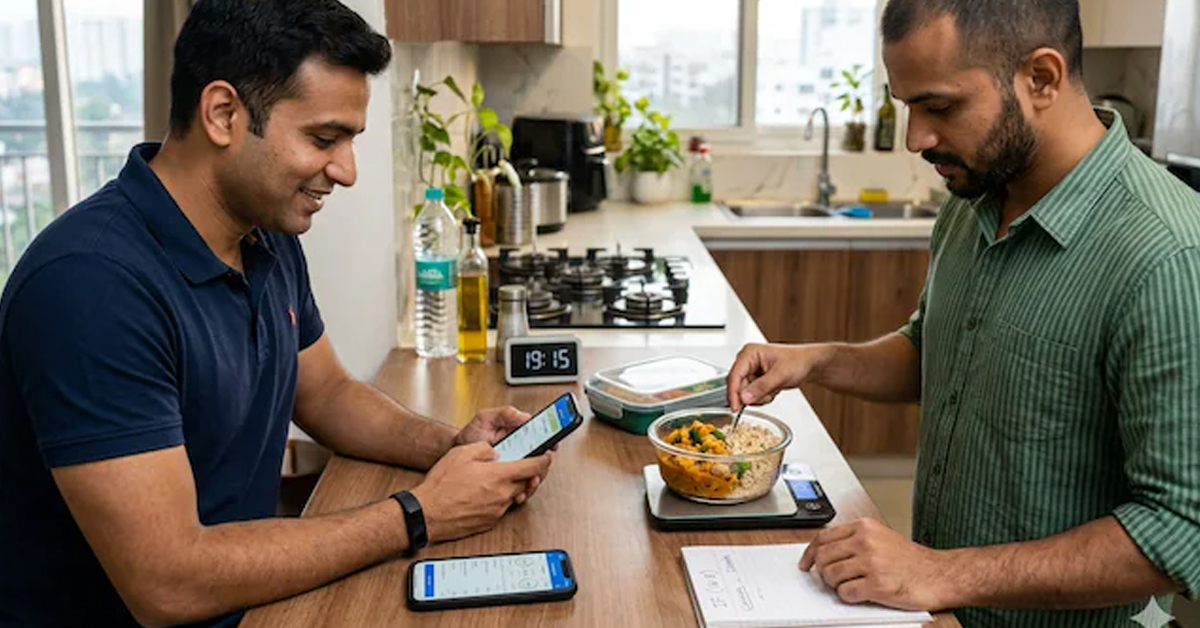
When embarking on a health and wellness journey, choosing the right nutritional strategy can feel incredibly overwhelming. The fitness community is fiercely divided into two primary camps: those who advocate for Intermittent Fasting (IF) and those who swear by meticulous Calorie Counting (also known as tracking macronutrients). To make an informed decision for your unique lifestyle, it is essential to look past the anecdotal success stories and examine the underlying physiological mechanisms of both methodologies. Let us explore how these two approaches function, what clinical research says about their efficacy, and the distinct advantages and disadvantages they offer.
1. The Clock vs. The Scale: Defining the Core Mechanisms
Intermittent Fasting is not a conventional diet, but rather an eating pattern that manipulates time. Instead of dictating what or how much you eat, it specifies a strict window of time during which you consume your food (such as the popular 16:8 method, where you fast for sixteen hours and eat during an eight-hour window). This approach relies heavily on shifting your metabolic state during the fasting hours to lower insulin levels and access stored fat. Calorie Counting, on the other hand, ignores the clock entirely and focuses strictly on quantity. It requires weighing and tracking every gram of food you consume to ensure that your total energy intake remains lower than your total daily energy expenditure (TDEE).
2. Hormonal Regulation and Cellular Autophagy in Fasting
The primary physiological advantage of Intermittent Fasting lies in its profound impact on hormonal architecture. When your body spends an extended period without food, circulating blood glucose drops, causing insulin levels to plummet significantly. This hormonal low activates lipolysis, allowing your body to easily mobilize fat tissue for energy. Furthermore, extended fasting triggers a cellular cleanup process known as autophagy, where your body degrades and recycles damaged cellular components. This can result in reduced systemic inflammation, improved brain function, and enhanced cellular resilience, offering health benefits that extend far beyond simple weight management.
3. The Precision and Educational Value of Tracking Calories
While fasting relies on a natural, time-restricted deficit, Calorie Counting provides absolute precision. The fundamental, unyielding law of thermodynamics dictates that weight loss requires a caloric deficit. Tracking your food ensures that you never accidentally overeat, which can easily happen during a fasting eating window if you consume highly processed, calorie-dense foods. Additionally, tracking your food offers immense educational value. It forces you to look closely at food labels, teaching you the actual macronutrient breakdown (protein, carbohydrates, and fats) of your meals, which builds a lifelong understanding of portion control and nutritional value.
Summary
Both Intermittent Fasting and Calorie Counting are highly effective tools that ultimately achieve the exact same goal: a consistent caloric deficit. Fasting accomplishes this naturally by restricting your available eating time and optimizing fat-burning hormones, making it ideal for busy individuals who dislike counting numbers. Calorie Counting achieves this through absolute mathematical precision, making it perfect for those who want total control over their nutrition and food choices throughout the day.
Crafting a Nutrient-Dense, Low-Calorie Evening Meal
Achieving long-term dietary success requires creating a healthy evening routine that satisfies your physical hunger without overloading your digestive system before sleep. Your dinner choices directly impact your sleep architecture, morning energy levels, and waking metabolic rate. Constructing a dinner that is naturally low in calories but exceptionally high in volume and micronutrients is the ultimate strategy to completely eliminate late-night snacking and support a healthy body composition.
1. The Psychological Power of High-Volume Eating
One of the primary reasons people abandon traditional diets is the physical sensation of emptiness. If your dinner consists of a tiny, heavily restricted portion of food, your brain will continuously signal hunger, eventually leading to late-night refrigerator raids. High-volume eating solves this by leveraging low-calorie, high-moisture foods like leafy greens, cruciferous vegetables, and clear broths. These foods physically stretch the stomach walls, which triggers the release of satiety hormones to your brain, making you feel entirely full and emotionally satisfied for a fraction of the caloric cost.
2. Prioritizing Slow-Digesting Proteins for Overnight Repair
While you sleep, your body goes into a deep state of tissue repair and cellular recovery. To optimize this process, your evening meal must contain a high-quality source of lean protein. Protein has the highest Thermic Effect of Food (TEF) of any macronutrient, meaning your body expends up to thirty percent of its energy just to break it down and process it. Furthermore, consuming a slow-digesting protein in the evening provides a steady, prolonged release of amino acids into your bloodstream, protecting your lean muscle mass and keeping you full until morning.
3. Selecting Low-Glycemic Carbs to Enhance Sleep Quality
Carbohydrates should not be feared at dinner; instead, they should be chosen strategically. Consuming low-glycemic, fiber-rich carbohydrates—such as sweet potatoes, quinoa, or roasted vegetables—helps facilitate the transport of tryptophan into the brain. Tryptophan is the direct precursor to serotonin and melatonin, the neurotransmitters responsible for relaxation and deep sleep cycles. By keeping your evening carbohydrates complex and unrefined, you prevent rapid blood sugar spikes and subsequent crashes, ensuring a restful, uninterrupted night of sleep.
Summary
Designing an ideal dinner centers on maximizing food volume while controlling total caloric density. Combining a robust serving of lean, slow-digesting protein with a massive pile of fiber-rich vegetables and complex carbohydrates creates a powerful nutritional shield that satisfies your appetite, improves your sleep quality, and keeps your fat-loss goals completely on track.
List of High-Volume, Low-Calorie Dinners to Make at Home
Preparing a healthy, satisfying dinner does not require spending hours in the kitchen or eating bland, uninspired food. By combining strategic seasonings with wholesome, high-volume ingredients, you can easily create delicious meals that feel deeply indulgent while remaining completely supportive of your health journey. Below is a curated list of nutrient-dense, low-calorie dinners perfect for wrapping up your day.
1. Mediterranean Baked Herb Chicken and Zucchini Noodles
- Servings: 1
- Preparation Time: 25 minutes
Ingredients
- Lean chicken breast (cubed): 150g
- Medium zucchini (spiralized into “zoodles”): 2
- Cherry tomatoes (halved): ½ cup
- Italian seasoning (oregano, basil, rosemary): 1 tsp
- Olive oil: 1 tsp
- Garlic cloves (minced): 2
- Fresh lemon juice: 1 tbsp
Method of Preparation
- Preheat your oven to 200°C (400°F). Toss the cubed chicken breast in olive oil, minced garlic, Italian seasoning, and a pinch of salt.
- Spread the chicken evenly across a baking sheet and roast for 15 minutes until it is thoroughly cooked through.
- While the chicken cooks, use a spiralizer to transform your zucchinis into thin strands.
- Heat a non-stick skillet over medium heat, add the cherry tomatoes and zucchini noodles, and sauté gently for 3 to 4 minutes until the tomatoes soften slightly.
- Transfer the zucchini noodles and tomatoes to a wide bowl, top with the roasted chicken breast, drizzle with fresh lemon juice, and serve warm.
Diet and Nutritional Benefits
This meal provides a massive volume of food for less than 350 calories. Zucchini noodles serve as an exceptional, ultra-low-calorie substitute for traditional pasta, offering a wealth of dietary fiber and potassium without the heavy carbohydrate load. The lean chicken breast delivers a clean, dense dose of essential amino acids to support overnight muscle recovery, while the cooked cherry tomatoes provide lycopene, a powerful antioxidant that supports cardiovascular health and lowers systemic inflammation.
2. Low-Carb Egg Drop and Vegetable Cauliflower Fried Rice
- Servings: 1
- Preparation Time: 15 minutes
Ingredients
- Fresh riced cauliflower: 2 cups
- Whole large eggs: 2
- Mixed finely chopped vegetables (carrots, green peas, scallions): ½ cup
- Low-sodium soy sauce or tamari: 1 tbsp
- Fresh grated ginger: ½ tsp
- Sesame oil: ½ tsp
Method of Preparation
- Heat a large non-stick wok or skillet over medium-high heat and coat lightly with the sesame oil.
- Add the grated ginger and mixed chopped vegetables to the skillet, stir-frying rapidly for 3 minutes until they become tender-crisp.
- Push the vegetables to the outer edges of the skillet to create an open space in the center. Whisk the two eggs and pour them directly into the center of the pan.
- Scramble the eggs gently in the center until they are mostly set, then begin folding them into the surrounding vegetables.
- Pour the riced cauliflower into the wok, drizzle evenly with the low-sodium soy sauce, and stir-fry everything together for an additional 4 to 5 minutes until the cauliflower is soft. Garnish with chopped scallions and enjoy immediately.
Diet and Nutritional Benefits
Traditional fried rice is exceptionally calorie-dense and easy to overeat. By replacing white rice with riced cauliflower, you slash the carbohydrate and calorie content by nearly eighty percent while dramatically increasing your intake of vitamin C and glucosinolates (cancer-fighting compounds found in cruciferous vegetables). The whole eggs provide a highly bioavailable source of complete protein alongside essential choline and healthy fats, creating a highly satisfying, volume-rich dinner that promotes excellent metabolic health.
3. Savory Thai Tofu and Broccoli Mushroom Stir-Fry
- Servings: 1
- Preparation Time: 20 minutes
Ingredients
- Firm tofu (pressed and cubed): 150g
- Broccoli florets: 1.5 cups
- Button mushrooms (sliced): 1 cup
- Rice vinegar: 1 tbsp
- Sriracha or chili paste: 1 tsp
- Garlic powder: ½ tsp
- Vegetable broth (for oil-free sautéing): 2 tbsp
Method of Preparation
- Place a non-stick skillet over medium-high heat. Add the cubed firm tofu and cook dry for 4 to 5 minutes, turning occasionally until the edges turn golden brown.
- Remove the tofu from the pan and set it aside on a plate.
- In the same skillet, pour in the vegetable broth, broccoli florets, and sliced button mushrooms. Cover with a lid and let the vegetables steam in the broth for 3 minutes.
- Remove the lid and whisk in the rice vinegar, chili paste, and garlic powder, stirring constantly as the liquid reduces.
- Return the golden tofu to the pan, tossing vigorously to ensure the spicy glaze completely coats the tofu and vegetables. Serve hot in a large decorative bowl.
Diet and Nutritional Benefits
This completely plant-based dinner is ideal for anyone focusing on a clean, vegan, or vegetarian lifestyle. Firm tofu is an exceptional source of plant-based protein and calcium, helping to promote satiety without excessive saturated fats. Mushrooms are rich in B vitamins and selenium, and when combined with the massive fiber content of broccoli, they create an incredibly filling meal that enhances digestive transit and optimizes gut microbiota health.
Summary
Incorporating high-volume, low-calorie recipes like Bake Herb Chicken Zoodles, Cauliflower Fried Rice, and Spicy Tofu Broccoli Stir-Fry allows you to enjoy massive, visually satisfying plates of food at dinner. These meals ensure your body receives essential micronutrients and clean proteins, keeping you full through the evening while effortlessly maintaining a healthy caloric deficit.
Key Operational Principles Before Modifying Your Dinner Habits
To maximize the benefits of a structured, nutrient-dense diet, consistency and accurate lifestyle matching are essential. How you transition into a lighter evening routine can heavily influence your long-term adherence. Keep these operational guidelines in mind.
1. Avoid Late-Night Meal Compression
If you are practicing Intermittent Fasting, be careful not to fall into the trap of “compressing” a massive amount of heavy food right before your fasting window closes at night. Eating a large, calorie-dense meal within two hours of going to sleep forces your digestive tract to work at maximum capacity when your metabolism is naturally trying to wind down. This can severely disrupt your deep REM sleep cycles, elevate your resting heart rate, and leave you feeling sluggish and bloated upon waking the next morning.
2. Emphasize Whole Foods Over Commercial Diet Packages
When focusing on a lower-calorie diet, it can be incredibly tempting to rely heavily on pre-packaged “diet meals,” low-calorie frozen dinners, or commercial meal replacement shakes. While these options offer convenient portion control, they are often loaded with high amounts of sodium, artificial stabilizers, and synthetic preservatives to extend shelf life. These artificial additives can trigger water retention, disrupt gut health, and fail to provide the cellular vitality that comes from eating raw, whole, single-ingredient foods.
3. Maintain Flexibly for Social Engagements
A healthy diet should never feel like a social prison sentence. If your strict dinner rules prevent you from enjoying a family dinner or going out with friends, the plan is ultimately unsustainable. If you know you have a social dinner planned for the evening, simply adapt your day by making your breakfast and lunch slightly lighter and focusing heavily on protein and fiber earlier in the day. This creates a psychological and caloric buffer, allowing you to enjoy your evening social life without any guilt.
Summary
To build a resilient, long-term dietary identity, aim to eat your dinner at least three hours before bedtime, prioritize minimally processed whole foods, and build enough flexibility into your routine to accommodate real-world social situations. A healthy diet must enhance your life, not restrict it.
Just Saying Did you know that the color of your dinner plates can subconsciously influence how much you eat? Known in psychology as the Delboeuf Illusion, research shows that when there is a high color contrast between your food and your plate (such as green vegetables on a bright white plate), your brain perceives the portion size as significantly larger, helping you feel satisfied with less food!
The Final Word
A truly successful diet is never measured by how quickly you can lose weight through extreme restriction; it is measured by how effortlessly you can maintain your health habits years into the future. Whether you choose to track your calories meticulously or structure your day around an intermittent fasting window, the ultimate goal remains the same: nourishing your body with high-quality nutrients and finding a comfortable rhythm. Embrace the process of learning what foods make you feel vibrant, give yourself complete grace through the inevitable shifts in life, and enjoy the journey of building a genuinely healthy lifestyle.
Disclaimer: The content presented in this article is designed strictly for educational and informational purposes. It is not intended to serve as a substitute for professional medical advice, diagnosis, or treatment. Always consult with a qualified healthcare professional or registered dietitian before making significant changes to your long-term dietary habits.
Frequently Asked Questions (FAQs)
Q: Can I drink water or black coffee during a fasting window?
A: Yes. Plain water, unsweetened herbal teas, and black coffee (without any added sugar, milk, or creamer) are completely permissible during a fasting window. They contain zero calories and will not spike your insulin levels or break your fast.
Q: Is it safe to skip dinner entirely if I am not hungry?
A: While occasionally skipping a meal due to lack of appetite is fine, consistently skipping dinner to aggressively cut calories can backfire. It can lead to nutrient deficiencies, muscle tissue loss, and intense hormonal hunger the following morning, which often causes overeating later in the day.
Q: How do I calculate my daily calorie needs accurately?
A: To find your specific energy needs, you should use an online TDEE (Total Daily Energy Expenditure) calculator that takes into account your age, height, gender, weight, and daily activity level. Once you determine your TDEE, subtracting 300 to 500 calories will create a safe, sustainable deficit for fat loss.
Q: Why do I feel bloated even when eating low-calorie vegetables?
A: High-volume vegetables like broccoli, cauliflower, and cabbage are exceptionally high in a complex fiber known as oligosaccharides. If your body is not accustomed to a high-fiber diet, your gut bacteria can produce excess gas while breaking it down. To minimize this, introduce these vegetables gradually and ensure they are thoroughly cooked rather than raw.
Q: Can children or teenagers practice intermittent fasting?
A: No. Intermittent fasting is generally not recommended for growing children, teenagers, or pregnant women, as their bodies require a steady, uninterrupted delivery of nutrients and calories to support healthy physiological development and hormonal regulation. Always consult a pediatrician for youth nutrition.