









Diabetes is a chronic health condition that affects how the body processes blood sugar, also known as glucose. Glucose is the body’s primary source of energy and is obtained from the foods we eat. When diabetes develops, the body either does not produce enough insulin or cannot effectively use the insulin it produces, leading to elevated blood sugar levels.
What Is Diabetes?
Insulin is a hormone produced by the pancreas that helps glucose move from the bloodstream into the body’s cells for energy. When insulin production or function is impaired, glucose accumulates in the blood, increasing the risk of serious health complications over time.
Diabetes affects millions of people worldwide and requires ongoing management to maintain healthy blood sugar levels and prevent long-term complications.
Types of Diabetes
Type 1 Diabetes
Type 1 diabetes is an autoimmune condition in which the immune system mistakenly attacks insulin-producing cells in the pancreas. People with Type 1 diabetes require insulin therapy to manage their blood sugar levels.
Type 2 Diabetes
Type 2 diabetes is the most common form of diabetes. It occurs when the body becomes resistant to insulin or when the pancreas cannot produce enough insulin to meet the body’s needs. Lifestyle factors, genetics, and obesity often contribute to the development of Type 2 diabetes.
Gestational Diabetes
Gestational diabetes develops during pregnancy and typically resolves after childbirth. However, women who experience gestational diabetes may have a higher risk of developing Type 2 diabetes later in life.
Common Symptoms of Diabetes
The symptoms of diabetes may develop gradually or appear suddenly depending on the type of diabetes. Common symptoms include:
- Increased thirst
- Frequent urination
- Unexplained weight loss
- Increased hunger
- Fatigue
- Blurred vision
- Slow-healing wounds
- Frequent infections
- Tingling or numbness in hands and feet
If you experience these symptoms, it is important to consult a healthcare professional for evaluation and testing.
Risk Factors for Diabetes
Several factors may increase the risk of developing diabetes, including:
- Family history of diabetes
- Being overweight or obese
- Physical inactivity
- High blood pressure
- Unhealthy dietary habits
- Increasing age
- History of gestational diabetes
- Polycystic ovary syndrome (PCOS)
Understanding these risk factors can help individuals take preventive measures and maintain better health.
Managing Diabetes Effectively
Proper diabetes management involves a combination of healthy lifestyle choices and medical care. Key strategies include:
Healthy Eating
A balanced diet rich in vegetables, fruits, whole grains, lean proteins, and healthy fats can help regulate blood sugar levels. Limiting sugary foods and refined carbohydrates is also important.
Regular Physical Activity
Exercise helps improve insulin sensitivity and supports healthy blood sugar control. Most adults should aim for at least 150 minutes of moderate physical activity each week.
Monitoring Blood Sugar
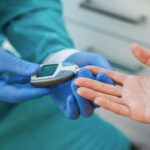
Regular blood glucose monitoring helps individuals understand how food, exercise, medications, and daily activities affect their blood sugar levels.
Medication and Insulin
Some individuals may require oral medications or insulin therapy to maintain optimal blood sugar control. Following a healthcare provider’s recommendations is essential.
Potential Complications of Diabetes
If left unmanaged, diabetes can lead to serious complications, including:
- Heart disease
- Stroke
- Kidney disease
- Nerve damage
- Vision problems
- Foot complications
- Increased risk of infections
Early diagnosis and consistent management significantly reduce the risk of these complications.
Tips for Preventing Type 2 Diabetes
While Type 1 diabetes cannot currently be prevented, the risk of Type 2 diabetes can often be reduced through healthy lifestyle choices:
- Maintain a healthy weight
- Eat a balanced diet
- Exercise regularly
- Avoid smoking
- Limit processed foods and sugary beverages
- Monitor blood pressure and cholesterol levels
Conclusion
Diabetes is a manageable condition when diagnosed early and treated appropriately. Understanding the different types of diabetes, recognizing symptoms, and adopting healthy lifestyle habits can help individuals maintain better blood sugar control and improve their overall quality of life. Regular medical checkups, healthy eating, physical activity, and proper treatment play vital roles in successful diabetes management and long-term health.